 Skip to Content

Deckhand Lifting Injuries: Prevention and Legal Recourse
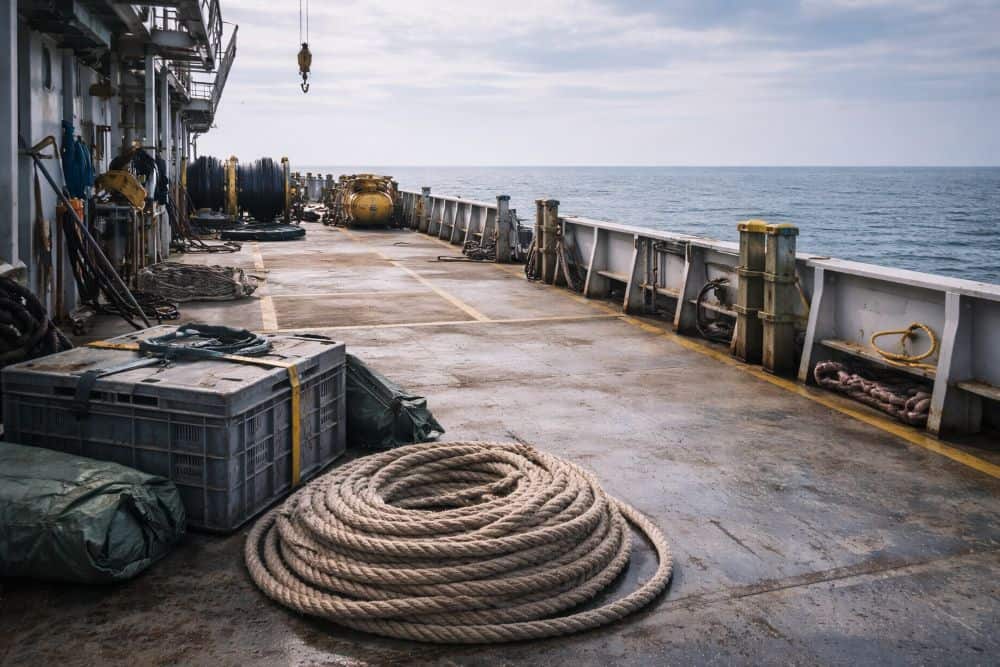
Heavy lines, shifting decks, and long shifts make lifting on the water tough on the body. One wrong move can lead to a sharp pull in your back or a shoulder that will not quit aching. At Shlosman Law Firm, we help injured maritime workers across New Orleans get the care and compensation they need after serious accidents.
Here, we walk through common lifting injuries, how to cut down the risk, and what the law offers if you get hurt on the job. We share what we have learned from helping crew members and deckhands so that you can protect your health and your rights.
Common Lifting Injuries Among Deckhands
Lifting injuries occur frequently on boats and barges, and they are not limited to large cargo operations. Even routine jobs like stowing gear or moving hoses can strain joints and soft tissue. Knowing the types of injuries helps you spot a problem early.
Back Injuries
Herniated discs often show up after a hard lift or months of repetitive strain. The disc between your vertebrae can bulge or rupture, pressing on nerves and causing pain, tingling, or weakness down a leg.
Back strains hit the muscles and tendons in your lower back. Overexertion, awkward posture, or lifting and twisting simultaneously can tear fibers, leaving you stiff and sore.
Upper Body Injuries
Biceps strains and tears can occur when you yank a stuck line or try to catch a falling load. Pain in the front of the shoulder or upper arm, plus bruising or a “pop,” are common signs.
Rotator cuff strains and tears affect the tendons that keep your shoulder stable. Repetitive lifting, overhead work, and sudden jerks can fray these tissues and limit the range of motion.
Lower Body Injuries
Patellar tendonitis shows up as pain at the front of the knee. Frequent bending and lifting place stress on the tendon connecting the kneecap to the shin, which can trigger inflammation.
Other Potential Injuries
Crush injuries can happen if cargo shifts or equipment traps a hand or foot. These events are often severe and call for immediate medical care.
Slip and fall injuries while carrying a load can lead to sprains, fractures, or head trauma. Wet decks, oil, and clutter raise the odds.
The snapshot below compares common lifting injuries, their causes, and typical care. It is not medical advice, but it gives a quick look at patterns we often see.
| Injury | Typical Cause | Common Symptoms | Initial Care |
| Herniated Disc | Heavy lift or repeated strain | Back pain, leg numbness, weakness | Imaging, rest, physical therapy, injections, and possible surgery |
| Lumbar Strain | Overexertion, twisting while lifting | Lower back pain, tightness, limited movement | Rest, ice, NSAIDs, gradual return to activity |
| Biceps Tear | Sudden yank or catching a load | Popping sound, bruising, weakness | Immobilization, PT, and surgical repair in some cases |
| Rotator Cuff Tear | Overhead lifting, repetitive wear | Night pain, weakness, limited reach | PT, injections, arthroscopic repair if needed |
| Patellar Tendonitis | Frequent bending and lifting | Knee pain at the tendon, swelling | Activity change, ice, bracing, PT |
Early treatment often shortens recovery time and helps prevent long-term issues. If pain lingers or spreads, do not tough it out; get checked.
Preventing Lifting Injuries: Safety Measures for Deckhands
Good habits help more than any single brace or wrap. Small changes in technique, equipment use, and training can significantly reduce injury risk.
Proper Lifting Techniques
Use a stable stance, bend at the knees, keep your back aligned, and hold the load close to your body. Move your feet to turn, rather than twisting your torso while holding weight.
Run through this quick checklist before each lift.
- Test the weight with a small pull, then plan your path.
- Keep elbows tucked and shoulders down, and avoid shrugging.
- Brace your core, then lift smoothly without jerks.
- Set the load down by bending your knees, not your back.
If the load feels off balance or your footing is poor, pause and reset your plan.
Use of Lifting Aids and Equipment
Mechanical help reduces strain and the frequency of injuries. Use cranes, hoists, forklifts, and dollies when the weight is heavy or awkward.
Keep gear in safe shape with regular checks and prompt repairs. A quick visual inspection before each use can spot frayed slings, leaking hydraulics, or loose guards.
- Cranes and hoists for vertical lifts that exceed safe hand-carry limits.
- Dollies, hand trucks, and pallet jacks to move weight across decks.
- Tag lines to control swing and keep hands clear.
When gear is out of service, mark it clearly and store it away from the work area to avoid mix-ups.
Team Lifting
Get a partner for heavy or bulky loads that one person should not handle. Agree on commands like up, stop, and down before the lift.
Assign one person to call the moves and watch the path. If anyone loses grip or footing, call a stop immediately.
Workplace Ergonomics
Shorten carry distances by staging items closer to the work zone. Stack at waist height when possible to avoid constant bending.
Non-slip boots and anti-fatigue mats help your legs and back on long shifts. Good lighting also matters on night watch and in tight spaces.
Training and Education
Regular training keeps technique sharp and builds a shared safety language on deck. Sessions should cover lifting form, equipment use, spotter roles, and hazard recognition.
Short refreshers during safety meetings help new and seasoned hands stay on track. Simple drills go a long way in the real world.
Legal Rights of Injured Deckhands: The Jones Act and Unseaworthiness
Maritime law gives injured seamen strong protections. If you got hurt while working as a deckhand, you might have claims that cover medical care, lost wages, and more.
The Jones Act
The Jones Act, part of the Merchant Marine Act of 1920, lets seamen sue their employers for negligence that causes injury. You can bring a claim in court and seek damages beyond basic benefits.
Negligence can include failing to implement safe procedures, poor training, broken or missing equipment, or pushing crews to work in unsafe ways. Even small lapses can contribute to an injury.
The law uses a “featherweight” causation standard, meaning a slight link between employer fault and your harm can lead to liability. That low bar makes a real difference in close cases.
Unseaworthiness
Vessel owners must provide a ship that is reasonably fit for its intended use. That covers the hull, gear, and also the crew assigned to the job.
Unseaworthiness can stem from defective equipment, an understaffed or untrained crew, or hazards like slippery decks and poor lighting. If an unfit condition injures you, the owner can be responsible.
This claim is separate from negligence, and you can often bring both in the same lawsuit. Each path offers different types of damage.
Maintenance and Cure
Maintenance and cure pays your day-to-day living costs and medical care after a work injury at sea, and fault does not matter. These benefits help you heal and keep a roof over your head.
Payments continue until you reach maximum medical improvement, which is the point at which your doctor says further recovery has leveled off. If payments stop too soon, legal action can restart them.
What to Do After a Lifting Injury
Quick action helps your health and your claim. Here is a simple plan many deckhands follow after getting hurt.
- Get medical care right away, even if the pain seems minor.
- Report the injury to your supervisor and ask for a written report.
- Write down how it happened, who saw it, and what equipment was involved.
- Save photos of the area, the gear, and your injuries when possible.
- Speak with a maritime attorney before giving recorded statements to insurers.
Keeping records from day one makes it easier to prove what went wrong and what you lost. Small details can boost a case in a big way.
Injured in a Lifting Accident? Contact Shlosman Law Firm Today
Shlosman Law Firm stands up for injured maritime workers and their families. We push corporations and insurers to do right by the people who keep cargo moving and vessels working.
If you or a loved one was injured while lifting on deck, we welcome your questions. Call 504-826-9427 or reach us through our website for a case review and next steps.
We work to secure medical care, lost wages, and fair compensation for our clients. Bring us your story, and let us get to work while you focus on healing.