 Skip to Content
New Maritime Regulations for 2025: What You Need to Know
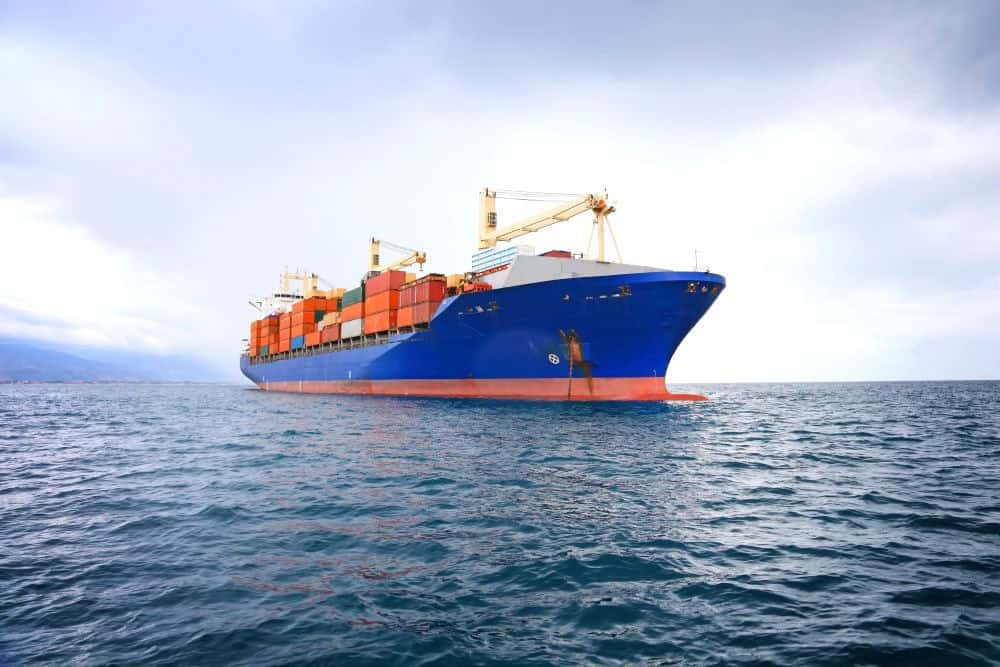
Is your vessel ready in 2025? Several international rules apply, changing everything from fuel choices to record-keeping practices.
At Shlosman Law Firm, we help mariners, oil-field workers, and shipping companies face these shifts while protecting their rights under Louisiana and federal law. The rundown below explains the most important updates and how they could affect operations along the Gulf Coast and beyond.
Overview of International Shipping Regulations in 2025
The new rules share three main goals: better safety, higher operating standards, and fewer pollutants in the air and water. They come from the International Maritime Organization (IMO) and other bodies that set the tone for global shipping. Any vessel calling at U.S. ports, including busy terminals in Plaquemines, Baton Rouge, and Lake Charles, must pay attention because Port State Control will inspect for compliance.
Ignoring these changes can trigger heavy fines, detentions, or insurance disputes. For Louisiana owners and crews, the mix of state tort law, federal admiralty statutes, and these fresh regulations can become a maze. Staying one step ahead keeps cargo moving and shields you from liability when something goes wrong on the Mississippi River or offshore rigs.
Key Regulatory Changes Taking Effect in 2025
Below is a closer look at each rule arriving in 2025 and the deadlines you cannot afford to miss.
IMO’s Net-Zero Framework
The Net-Zero Framework targets carbon output from large ocean-going ships, aiming for near-zero emissions around 2050. Starting in October 2025, the IMO plans to adopt a new chapter in MARPOL Annex VI that introduces a global fuel standard and a pricing system for greenhouse gases. Vessels over 5,000 gross tons will track fuel intensity; those exceeding set limits must buy remedial units or transfer unused credits from cleaner ships. Fees funnel into the IMO Net-Zero Fund, which rewards low-emission fleets and aids developing states.
FuelEU Maritime Regulation
FuelEU Maritime applies to commercial ships above 5,000 gross tons that enter European waters. As of January 1, companies must lower greenhouse gases by two percent compared with 2020 levels, nudging owners toward biofuels, methanol blends, or shore power while docked. Although this is an EU law, Louisiana operators with Europe-bound cargo must still meet the requirement or face penalties on arrival.
MARPOL Annex VI Amendments
MARPOL Annex VI already restricts sulfur and nitrogen oxides, but the 2025 amendments raise the bar. The Energy Efficiency Design Index (EEDI) Phase 3 enters force for all new ships over 400 gross tons whose build contracts are signed after January 1. In May, the Mediterranean Sea became an Emission Control Area, locking the sulfur limit at 0.1 percent. Further tweaks on August 1 expand bunker delivery note details for gas fuels and clarify sampling points.
STCW – Electronic Certificates
From January 1, seafarers can carry electronic versions of their credentials if the document matches the IMO format in MSC.1/Circ.1665. Expect Port State Control officers in New Orleans, Mobile, and Houston to scan QR codes or serial numbers instead of stamping paper books, so crews should keep devices charged and backup copies ready.
IMSBC Code Amendments
Bulk carriers hauling iron ore, coal, or grain must follow Amendments 07-23 to the International Maritime Solid Bulk Cargoes (IMSBC) Code. Mandatory on January 1, the update adds new cargo groups and clearer testing methods for moisture content, cutting the risk of liquefaction accidents in the Gulf of Mexico.
MARPOL Annex I – Special Area Updates
The Red Sea and Gulf of Aden obtain Special Area status on January 1. Ships transiting these waters must process oily mixtures through approved filters with alarms that trip at 15 ppm. While far from Louisiana, many local tankers pass through these choke points on long voyages, so voyage planning should account for extra compliance checks.
Ballast Water Management Convention (BWM)
Ballast logs change on February 1. Operators must adopt the new IMO format under MEPC.369(80). Electronic record books become legal on October 1 if approved by the flag state, making digital entries easier for crews that already track maintenance with tablets.
Hong Kong Convention on Ship Recycling
On June 26, the Hong Kong Convention entered force, covering ships above 500 gross tons. Each vessel needs an Inventory of Hazardous Materials updated through scheduled surveys. For Gulf operators eyeing scrap sales in Asia, missing inventory data could stall recycling contracts.
To summarize the flood of dates, the table below lists the main rollouts. Keep it handy as you draft compliance timelines.
| Rule | Applies To | Date Active | Main Requirement |
| STCW Electronic Certificates | All seafarers | Jan 1 2025 | Digital credential format |
| FuelEU Maritime | Ships >5,000 GT in EU | Jan 1 2025 | 2 percent GHG cut |
| IMSBC Amendments 07-23 | Bulk carriers | Jan 1 2025 | New cargo group rules |
| BWM Record Book Format | All ships with ballast | Feb 1 2025 | Revised log template |
| Mediterranean ECA | All vessels | May 1 2025 | 0.1 percent sulfur fuel |
| IMO Net-Zero Framework adoption | Ships >5,000 GT | Oct 2025 (adoption) | Fuel intensity limits, pricing |
| Electronic Ballast Records | Ballasted vessels | Oct 1 2025 | Flag-approved e-logs |
| Hong Kong Convention | Ships >500 GT | Jun 26 2025 | Inventory of hazardous materials |
Ahead of each deadline, Louisiana operators should build checklists, book yard periods for hardware upgrades, and train crews on new paperwork flows.
Implications for Maritime Companies and Seafarers
Regulations on paper quickly turn into real-world expenses. Retrofits for scrubbers or low-flashpoint fuel lines can keep a vessel in dry dock longer than planned, cutting charter revenue. Owners must also budget for carbon pricing schemes such as the IMO Net-Zero Fund or the EU Emissions Trading System.
Crews need training on electronic logs, fuel changeover procedures, and pollution response protocols because Port State Control can detain a ship if entries look suspect. In Louisiana, failure to comply could also spark claims under state tort law if a spill harms local fisheries or wetlands.
The Role of Maritime Law in Ensuring Compliance
Maritime law sets duties for shipowners, charterers, and employers. When a regulation becomes part of MARPOL or SOLAS, it often forms the baseline for proving negligence in an injury or pollution claim. If a deckhand suffers chemical burns because the vessel skipped a required fuel system retrofit, courts in the Eastern District of Louisiana may treat that lapse as evidence of unseaworthiness.
Insurance policies can exclude coverage when owners knowingly break international rules, leaving companies to foot large repair bills or injury awards. Timely compliance therefore protects both your crew and your balance sheet.
Need Assistance with Maritime Law and Regulatory Compliance? Contact Us Today
At Shlosman Law Firm, we guide seafarers, port workers, and shipping firms through every layer of admiralty law while pursuing compensation after an accident. Our New Orleans team monitors rule changes, drafts safety policies, and stands up to insurers who try to dodge payouts. If you have questions about the 2025 regulations or a recent offshore injury, call 504-826-9427, email info@shlosmanlaw.com, or visit our Contact Us page to schedule a meeting. We fight to secure fair results so you can focus on running safe, compliant operations.