 Skip to Content

Boating Accident Checklists and Tips: What to Do Immediately After a Crash
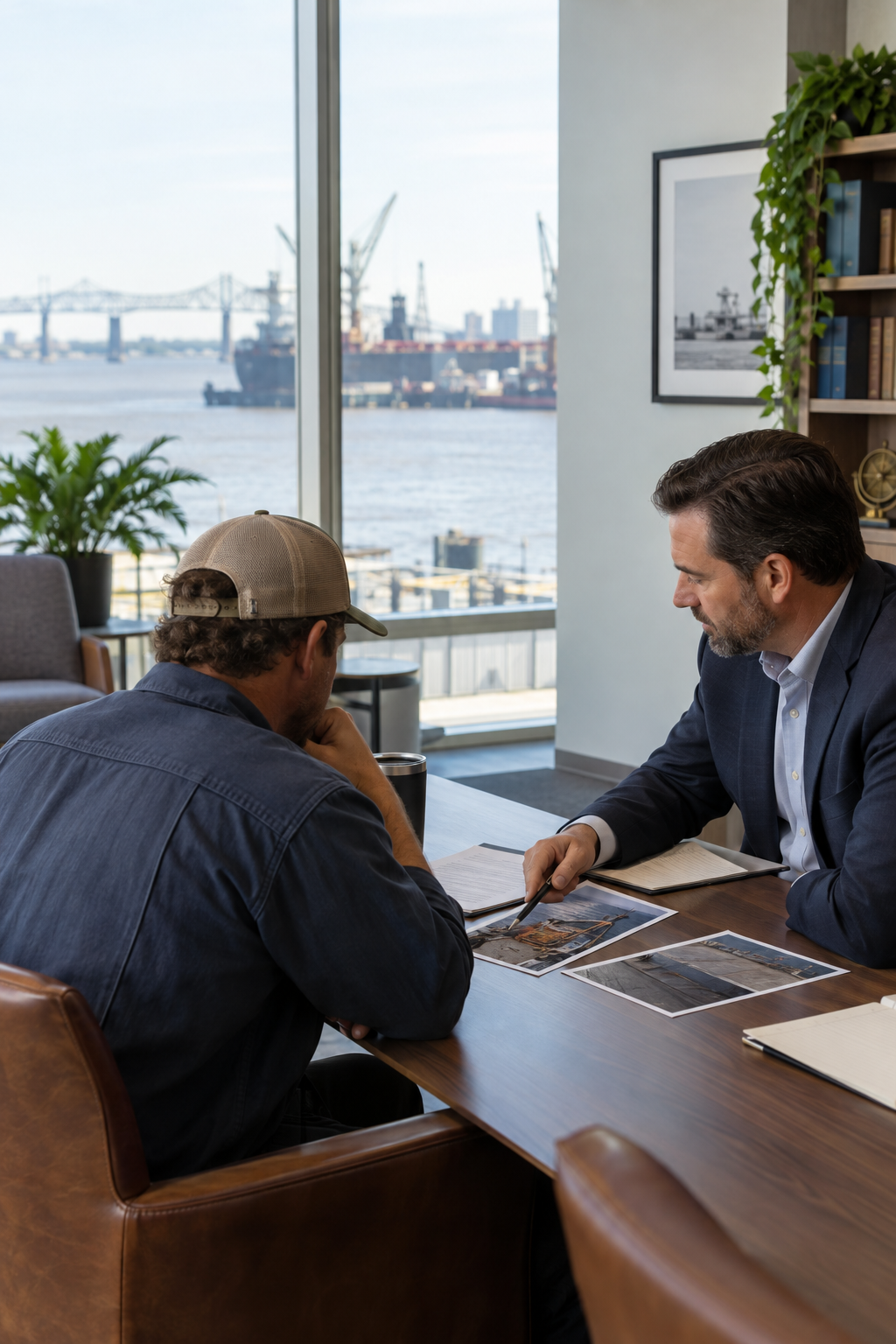
After a boat crash, protect people first. Account for everyone aboard, call for emergency assistance, and keep the vessel out of further danger if you can do so safely.
Photographs, insurance calls, and paperwork can wait until immediate threats are under control.
On Louisiana waterways, the next steps also involve state reporting requirements and legal rules that depend on your role aboard the vessel.
The Shlosman Law Firm prepares serious maritime and personal injury cases for injured people across the Gulf Coast.
This checklist helps you organize the immediate response, safely preserve evidence, and handle later requests for information.
Secure the Vessel and Address Immediate Medical Needs
Stop the vessel as soon as you can safely do so, then account for every passenger. Check the water for anyone who fell overboard and tell emergency responders immediately if someone is missing.
Use this sequence while keeping your own safety in view:
- Check for immediate dangers, including incoming traffic, fire, flooding, or unstable equipment.
- Have everyone who can safely do so put on a life jacket.
- Call for help on VHF Channel 16 or dial 911. Give your location, vessel description, number of people aboard, and known injuries.
- Anchor only if conditions make it safe, and anchoring will prevent dangerous drifting.
- Follow the dispatcher’s instructions and provide first aid in accordance with your training.
Keep the radio or phone available so responders can reach you. If remaining in place creates an immediate collision or sinking risk, move to the nearest safe, visible position only if you can do so without creating greater danger.
Avoid putting another person in the water during an improvised rescue. Tell responders what you can see and signal your location plainly.
Report the Accident to Louisiana Authorities
Certain Louisiana boating accidents require an operator report, and an emergency call may not complete that obligation.
R.S. 34:851.10 addresses boating accident duties and reporting, but you should confirm the applicable requirements rather than rely on a remembered threshold.
For a Louisiana crash, check the current reporting requirements before completing the operator report.
Death, a missing person, or an injury needing treatment beyond first aid requires immediate attention. Contact emergency authorities without waiting to finish paperwork.
Keep these two tasks separate:
- Emergency notification brings rescue, medical, or law enforcement assistance to the scene.
- The written operator report records the incident and has separate submission requirements and deadlines.
Confirm which report is required, who must submit it, and when it is due. Do not assume that an officer’s attendance replaces your written filing obligation.
Reporting duties generally fall on the operator rather than every recreational passenger. If you were a passenger, preserve the operator’s details and request the incident number when available.
When we evaluate a boating injury claim, we review the official report alongside witness accounts and other evidence, rather than treating it as the complete story.
Collect Evidence Only When It Is Safe
Gather evidence after immediate hazards are controlled and emergency responders permit it. You should never delay treatment or interfere with a rescue to photograph a damaged hull.
Save this checklist on your phone or print a copy for your onboard documents:
- Record each vessel’s registration number and the operators’ names, contact details, and insurance information.
- Photograph vessel damage, equipment, visible injuries, and the vessels’ positions if they remain unchanged.
- Capture weather, visibility, wake conditions, nearby markers, and the surrounding waterway.
- Collect witnesses’ names and phone numbers, including people on nearby boats or docks.
- Write down the approximate time, location, direction of travel, and what you personally observed.
Preserve original photographs and videos rather than relying only on cropped copies. Keep applicable receipts and damaged personal items.
Document observable behavior without diagnosing impairment or confronting anyone. Alcohol accounted for 16% of fatal recreational boating accidents nationally in 2021, but that historical figure proves nothing about your crash.
An observation, such as slurred speech, is more useful than an unsupported accusation that an operator was drunk.
Seek Professional Medical Evaluation
Arrange a prompt medical evaluation after leaving the water, even if you initially feel uninjured. Tell the clinician that you were involved in a boating collision and describe any impact, fall, or time spent in the water. Make sure you know the right steps to take and how the process works.
- You may not recognize every injury at the scene. A hard jolt that seems manageable on the boat can be followed by symptoms later, so do not use your first impression as a medical clearance.
- Ask emergency responders which level of care is appropriate. If you have severe or worsening symptoms, seek emergency assistance rather than waiting for a routine appointment.
- Medical records document your symptoms, examination findings, and treatment. They can help establish the sequence after the crash, but a visit alone does not automatically prove that every later condition resulted from it.
- Follow the treatment plan and attend recommended follow-up appointments.
- Keep discharge instructions, bills, prescriptions, and a brief record of symptoms and missed work. If cost, transportation, or another problem prevents treatment, tell your provider rather than allowing an unexplained gap in your care.
Handle Insurance Communications Carefully: Follow the Necessary Steps with Our Legal Team
- Notify your own insurer promptly, but distinguish that obligation from a request by another boater’s insurer. Your policy may require notice and cooperation, so review its terms and keep a record of when and how you reported the crash.
- For the initial notification, stick to facts you know. Give the date, location, vessel information, and a basic account of what happened without guessing about speed, fault, or your long-term medical condition.
- Before giving the other party’s insurer a recorded statement, consult an attorney. An adjuster may ask questions that invite estimates or admissions before you have reviewed the evidence. (For example, saying you are “fine” shortly after rescue may mean you are conscious and able to speak. Later, that wording could become part of a dispute about your injuries.)
- Save correspondence and ask for requests in writing.
- Do not sign a release, accept a settlement, or grant broad access to your medical history without knowing what the document covers. A release may affect claims beyond the immediate repair bill.
Identify Your Legal Role and Available Remedies
Your role aboard the vessel helps determine which legal rules may apply. Recreational passengers, boat operators, and maritime employees do not necessarily have the same claims, even when they are injured in the same collision.
Recreational Passengers and Operators
If negligence caused your recreational boating injury, you may have a personal injury claim against the responsible party. A passenger’s claim could involve the operator of another vessel or the operator of the boat carrying the passenger.
Maritime law may also apply, depending on the location and circumstances. That does not automatically require every claim to be filed in federal court.
The Saving to Suitors Clause (28 U.S.C. § 1333(1)) may preserve a state-court route for certain maritime claims.
Its application requires a review of the claim and parties involved. Have an attorney assess the proper court, applicable law, and filing deadlines, rather than assuming that an ordinary car-accident claim follows the same rules.
Maritime Workers and Jones Act Claims
A work-related vessel injury requires a separate review of your employment and duties.
Qualifying seamen injured on the job may have a Jones Act claim, which permits claims based on employer negligence and differs from traditional state workers’ compensation.
Working near water does not automatically make you a qualifying seaman. Longshore workers, offshore workers, and other maritime employees may fall under different rules.
A maritime injury lawyer should review your vessel connection, work assignment, and accident circumstances before identifying available remedies.
Report the workplace injury through the appropriate process, retain employment records, and obtain an independent legal review before signing the employer’s settlement documents.
Discuss Your Boating Accident Case With The Shlosman Law Firm
Protect your health first, then keep the records needed to evaluate your legal options. Retain medical documents, original photographs, witness details, and official reports so an attorney can assess what happened and which rules apply.
Contact The Shlosman Law Firm in New Orleans at (504) 826-9427 or visit the contact page to request a consultation about a serious boating injury.
Our firm represents injured people across the Gulf Coast, evaluates cases carefully, and prepares accepted matters for trial; bring your available records and any insurance or employer documents you have received.